
Hyperpigmentation in dark skin is one of the most common concerns I hear from patients, especially after acne breakouts. Those dark spots that linger for months? They’re not scars—they’re called post-inflammatory hyperpigmentation (PIH). And the good news is: they’re treatable.
In this post, we’ll explore what causes hyperpigmentation in deeper skin tones, what makes it different, and what you can do to fade it safely and effectively.
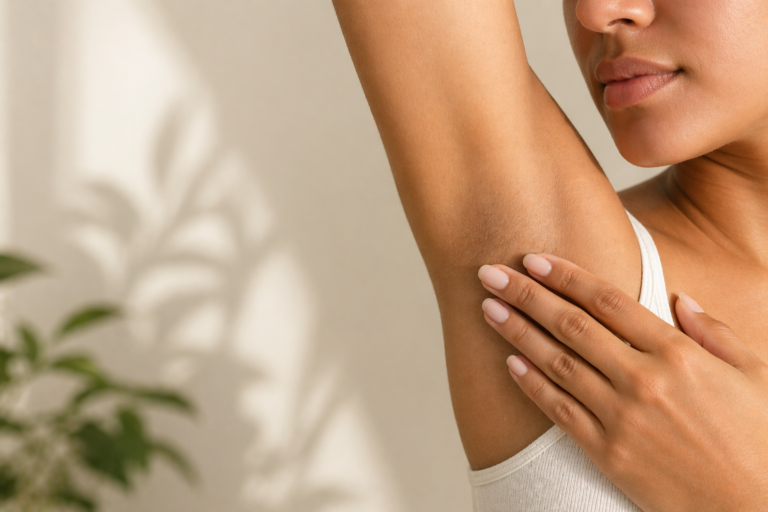
Whether you’re dealing dark underarms or with leftover marks from acne, bug bites, or irritation, this guide is designed to give you clear, science-backed answers—and a dose of empathy. Because treating dark spots isn’t just about skin—it’s about confidence.
What Is Hyperpigmentation?
Hyperpigmentation refers to areas of the skin that become darker than the surrounding skin. This occurs when melanocytes, the cells that produce melanin (the pigment that gives skin its color), become overactive. This can be triggered by inflammation, sun exposure, hormonal shifts, or injury.
In people with melanin-rich skin, the risk of developing visible hyperpigmentation is higher. That’s because darker skin has more active melanocytes—which means it’s more prone to pigmentary response, especially after trauma.
Why Hyperpigmentation Affects Dark Skin Differently
People with darker skin tones—Fitzpatrick types IV through VI—produce more melanin naturally. While this offers some protection from UV rays, it also means the skin is more reactive. Even minor irritation, like a popped pimple or friction, can leave a lasting pigment mark.
Key differences include:
- Longer fading time
- Higher risk of pigmentation after acne or skin injury
- Visible response to even mild inflammation
Common Causes of Hyperpigmentation in Dark Skin
1. Post-Inflammatory Hyperpigmentation (PIH)
PIH occurs after inflammation—like acne, eczema, bug bites, or irritation from hair removal. It appears as brown, gray, or black spots that may darken with sun exposure.
2. Hormonal Triggers
Conditions like melasma are common in women, especially during pregnancy, while on birth control, or with hormone fluctuations.
3. Sun Exposure
UV rays stimulate melanin production. In dark skin, unprotected sun exposure worsens PIH and slows fading.
4. Picking or Scratching
This is one of the biggest culprits. Trauma from squeezing or picking at acne introduces inflammation, increasing melanin production.
Treatments That Work for Hyperpigmentation in Dark Skin
Not all treatments are created equal. Some popular skin-lightening methods can be too harsh—or even damaging—for darker skin. Here’s what actually works:
1. Sun Protection Is Non-Negotiable
Broad-spectrum SPF 30 or higher every single day is essential. And if you have melanin-rich skin, opt for tinted sunscreens with iron oxides—they protect against visible light, which can worsen PIH.

H3: 2. Topical Ingredients That Fade Pigment
Look for these evidence-based ingredients in your skincare routine:
- Niacinamide – reduces inflammation and melanin transfer
- Azelaic acid – safe and effective for pigment and acne
- Retinoids – help speed up cell turnover
- Vitamin C – antioxidant that brightens and defends
- Kojic acid or arbutin – botanical brighteners with melanin-suppressing activity


3. Avoid Harsh Lighteners
Avoid unregulated bleaching creams—especially those with hydroquinone without medical supervision. They can cause exogenous ochronosis, a bluish-black discoloration that is very difficult to treat.
4. Prescription Options
If over-the-counter options aren’t enough, dermatologists may prescribe:
- Tretinoin
- Hydroquinone (short-term use)
- Tranexamic acid (topical or oral)
- Chemical peels (like glycolic acid or salicylic acid, under professional guidance)
5. Support Your Skin Barrier
A healthy barrier = less irritation = less pigmentation. Use gentle, fragrance-free moisturizers, and avoid over-exfoliation.
How Long Does It Take to See Results?
Treating hyperpigmentation in dark skin takes time and consistency. You may start seeing improvement in 6–12 weeks, but deeper marks can take several months.
Consistency, sun protection, and avoiding triggers are key. Stick with your routine and be patient—it’s worth it.

Real Talk: Emotional Toll of Dark Spots
Hyperpigmentation may be “cosmetic,” but it affects how we feel in our skin. For many women—especially Black and Brown women—dark spots become a source of anxiety, frustration, and insecurity.
My advice? Treat yourself with the same kindness you’d offer a friend. Seek out a provider who understands your skin and your goals. And remember: you are not alone.
FAQs About Hyperpigmentation in Dark Skin
Can I use the same products as someone with lighter skin?
Not always. Some products (like strong acids or high-strength retinol) may irritate darker skin and worsen pigmentation. Stick to gentler, well-tolerated options.
Do I need to wear sunscreen if I have dark skin?
Yes! Every day. Sunscreen prevents new pigment from forming and helps fade existing spots.
Is hydroquinone safe?
Hydroquinone can be effective short-term when used under a doctor’s guidance. Long-term or unsupervised use can cause side effects.
Are there natural remedies that work?
Some plant-based ingredients like licorice root, turmeric, and arbutin may help, but results are usually slower. Be cautious with DIY recipes that may irritate.
When should I see a dermatologist?
If your pigmentation is spreading, persistent, or affecting your confidence, it’s worth getting expert help. Dermatologists can tailor treatments that are safe for your skin type.